Lawn care
Overseeding Your Lawn: Fall vs. Spring and How to Do It Right
By Lawn & Loam Editorial DeskPublished 2026-07-065 min read
Overseeding means sowing seed into an existing lawn to thicken thin turf, fill bare patches, or introduce newer varieties, without tearing up the yard. It's one of the highest-value fall chores for cool-season grass, but only when timing, seed, and prep are right. If a lawn is mostly dead or weeds, overseeding won't save it; that calls for renovation.
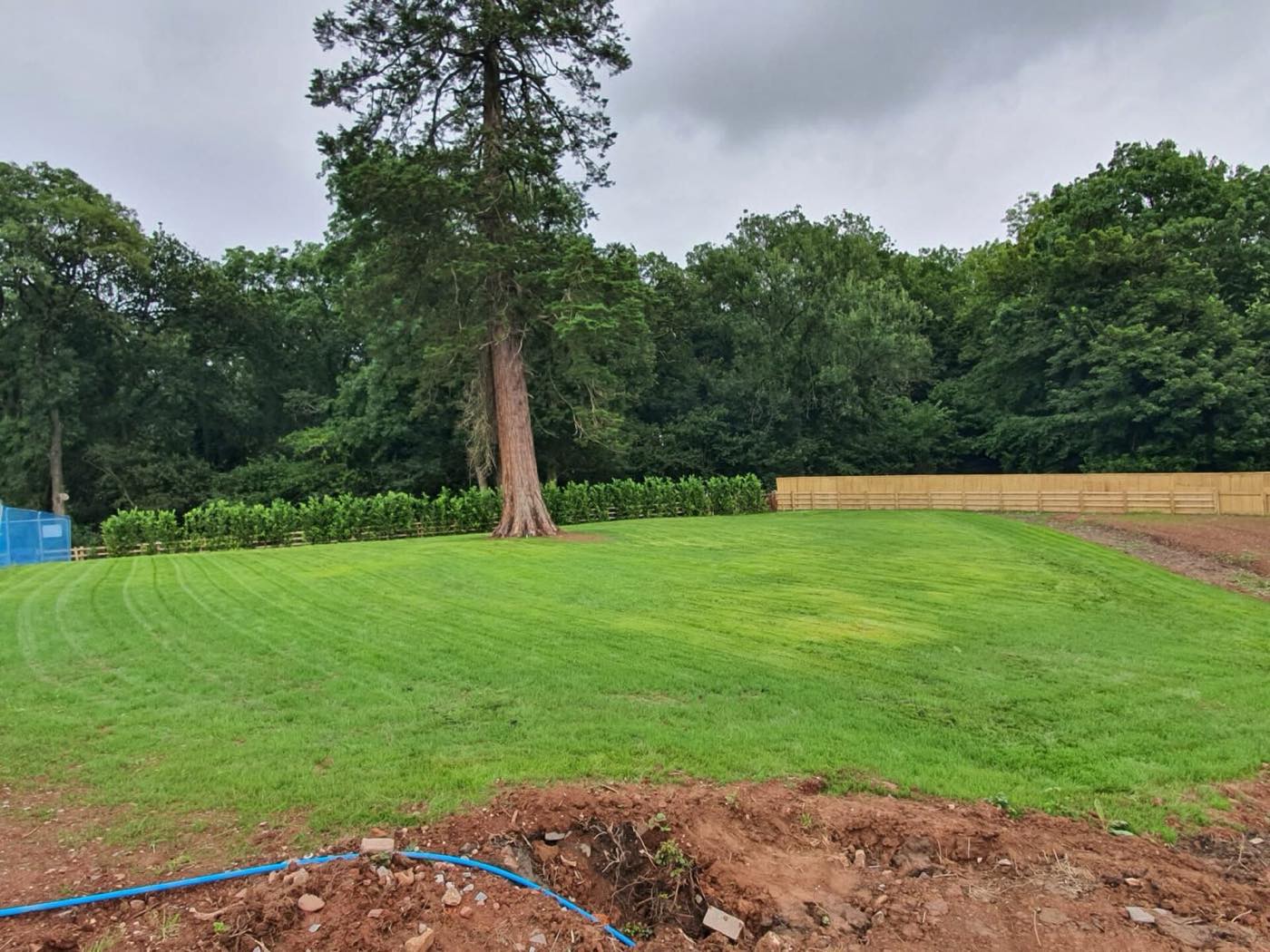
Image source: File:Seeding of front lawn at Blackborough House May 2021.jpg · CC via Wikimedia Commons
Why overseed at all
Established lawns thin out from shade, drought, traffic, insects, and age. Overseeding reintroduces vigorous grass into thin areas and helps turf hold its ground against weeds. University of Minnesota Extension treats overseeding as a core tool for renovating an existing lawn for quality rather than starting over.
It also upgrades the lawn gradually: improved varieties bred for disease, drought, or shade are inexpensive to add a bag of seed at a time.
- Densifies thin turf so weeds have less bare soil to colonize.
- Fills small bare spots without the cost of full renovation.
- Introduces improved varieties a few seasons at a time.
Fall vs. spring overseeding
For cool-season grass, fall is the primary window: soil is still warm from summer, driving quick germination, while air stays cool enough that seedlings avoid heat stress. Nebraska turfgrass specialists recommend mid-August through mid-September for overseeding in eastern Nebraska, and nearby states give similar early-fall advice. Spring is the secondary window; seedlings then face summer heat and spring weeds before they're established.
Choose spring only if you missed the fall window or your climate makes it impractical. Warm-season lawns flip the rule and are usually overseeded in late spring or early summer, so match the season to your grass type.
- Seed at least six to eight weeks before the first expected frost.
- Don't overseed in the same window you apply a pre-emergent herbicide.
- Plan watering before planting; cool-season seed needs consistent moisture.
Step by step: mow, loosen, seed, cover, water
Mow the lawn shorter than usual and bag the clippings so seed can reach soil. Loosen the surface with aggressive raking, a light power rake, or core aeration if compaction is also a problem. Seed-to-soil contact is the biggest factor in germination success.
Spread seed at the overseeding rate printed on the bag, which is lower than new-lawn rates for most mixes. Cover it with a light layer of compost, peat, or straw, or rake it in so most seeds touch soil. Water lightly and often, keeping the surface moist until germination, then taper to deeper, less frequent watering.
- Split the seed and spread it in two directions for even coverage.
- Wait to mow until seedlings are well above mowing height, then raise the deck.
- Hold off on post-emergent broadleaf sprays until new grass is mature.
When overseeding is the wrong tool
Overseeding assumes a living lawn underneath. If a large share of the lawn is dead, or weeds have replaced the grass, patching with seed won't produce uniform turf; that calls for full renovation, starting with the soil test and site prep described in extension renovation guides.
Match the seed to the site before you buy: sun or shade, wear and tear, and your region's recommended cool-season species. A mix bred for full sun will struggle under a mature tree no matter how well you water it.
- Ask your county's university turf program which grass species fit your county.
- Skip overseeding in midsummer heat or on soil that stays soggy.
- Expect germination in one to three weeks depending on species and soil temperature.
Sources
Sources used for this page
Keep planning
Related guides
Fall Lawn Care Calendar: A Month-by-Month Plan for Cool-Season Grass
A month-by-month fall lawn care calendar for cool-season grass: aeration, overseeding, fertilizer, and leaf cleanup in the order they matter most.
Lawn careHow to Aerate a Lawn: Timing, Methods, and What It Actually Fixes
What core aeration fixes, when to aerate cool-season grass, how core aeration differs from spike aeration, and when to skip it entirely.
Lawn careFall Fertilizer for Cool-Season Lawns: Timing, Nitrogen, and What 'Winterizer' Means
Why fall is the most important feeding window for cool-season grass, how to read an N-P-K label, and what 'winterizer' actually means.