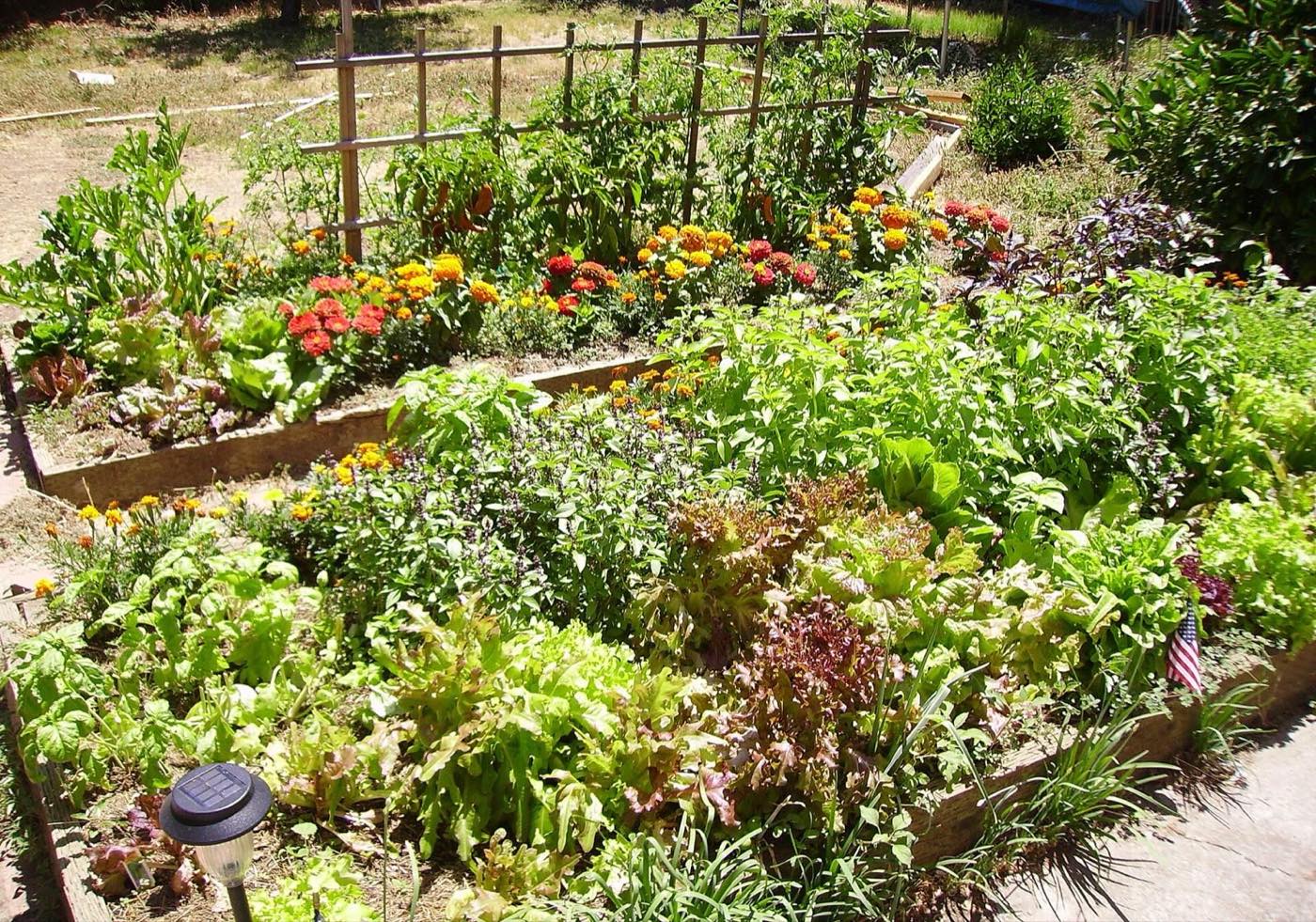
Edible garden
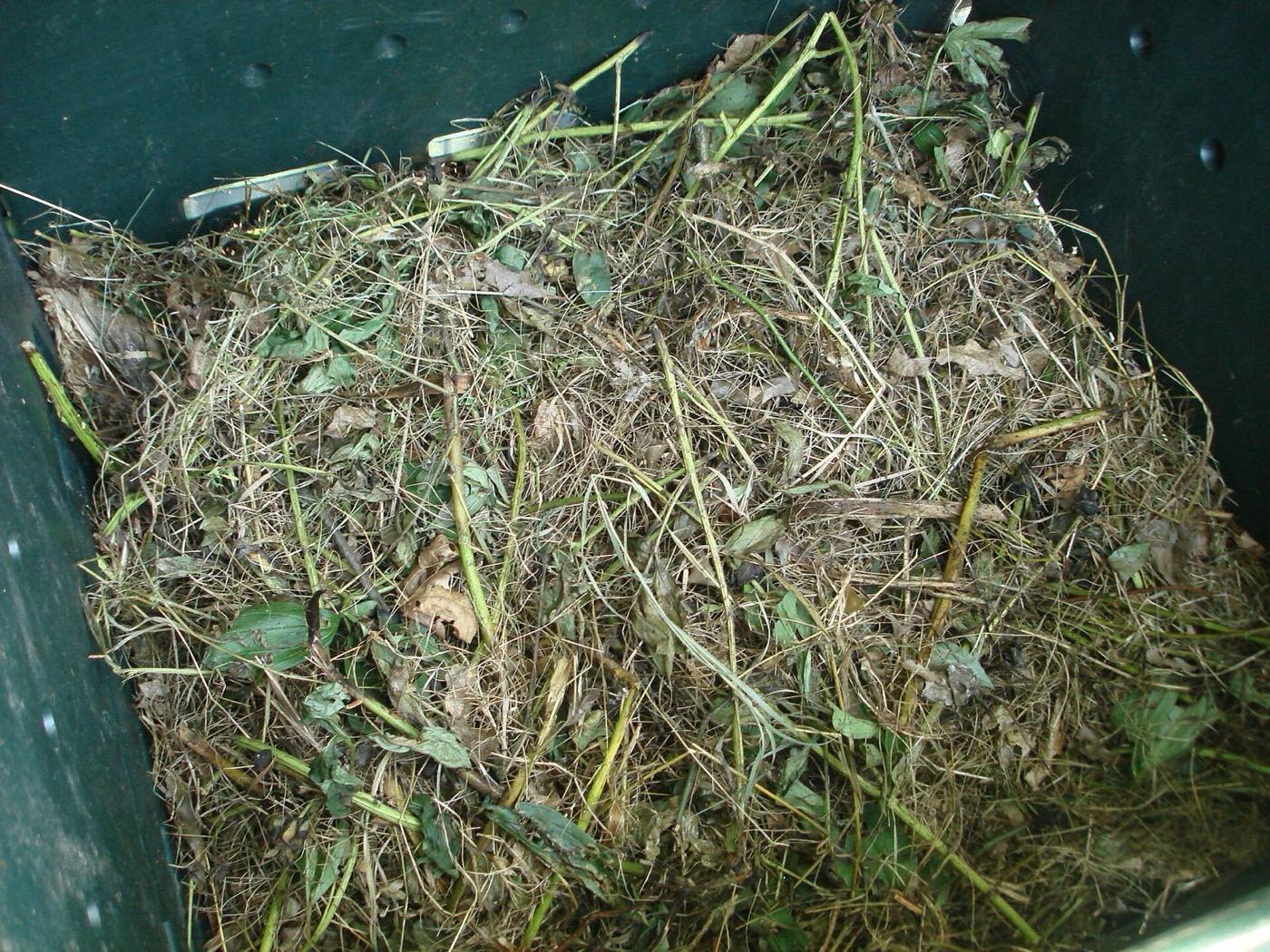
Raised bed soil: the right mix and how much you need
Why garden soil, potting mix, and raised bed mix are different, and how to estimate how much soil your new raised beds need.
Read guideFrom raised beds to first harvest
Raised beds, soil, planting calendars, containers, and irrigation for the backyard grower.
A vegetable bed asks different questions from a lawn. Soil volume matters more than soil surface, watering has to be reliable rather than occasional, and the planting date depends on your frost window rather than on the first warm weekend. These guides work through those differences in the order you meet them.
Starting from nothing, read the raised bed guide before choosing plants, bed depth and position limit what will grow far more than the seed packet does. From there, the soil and planting calendar pages answer the two questions that follow.
Six guides sit in this section, and they cover the path from an empty patch of ground to a bed that produces something. The raised bed guide covers sizing, materials and placement. The soil guide explains which mix a bed needs and how much of it. A beginner vegetable guide chooses crops and a layout, the frost-date method sets planting dates, and the container and drip irrigation guides handle growing in pots and watering a bed reliably.
Timing is the thread running through the section. A vegetable bed is planted against a frost window rather than against the first warm weekend, so the planting calendar page uses the average last spring frost date for a location and works outward from it for cool-season and warm-season crops. The raised bed and soil pages come first because bed depth and position limit what will grow far more than the seed packet does.
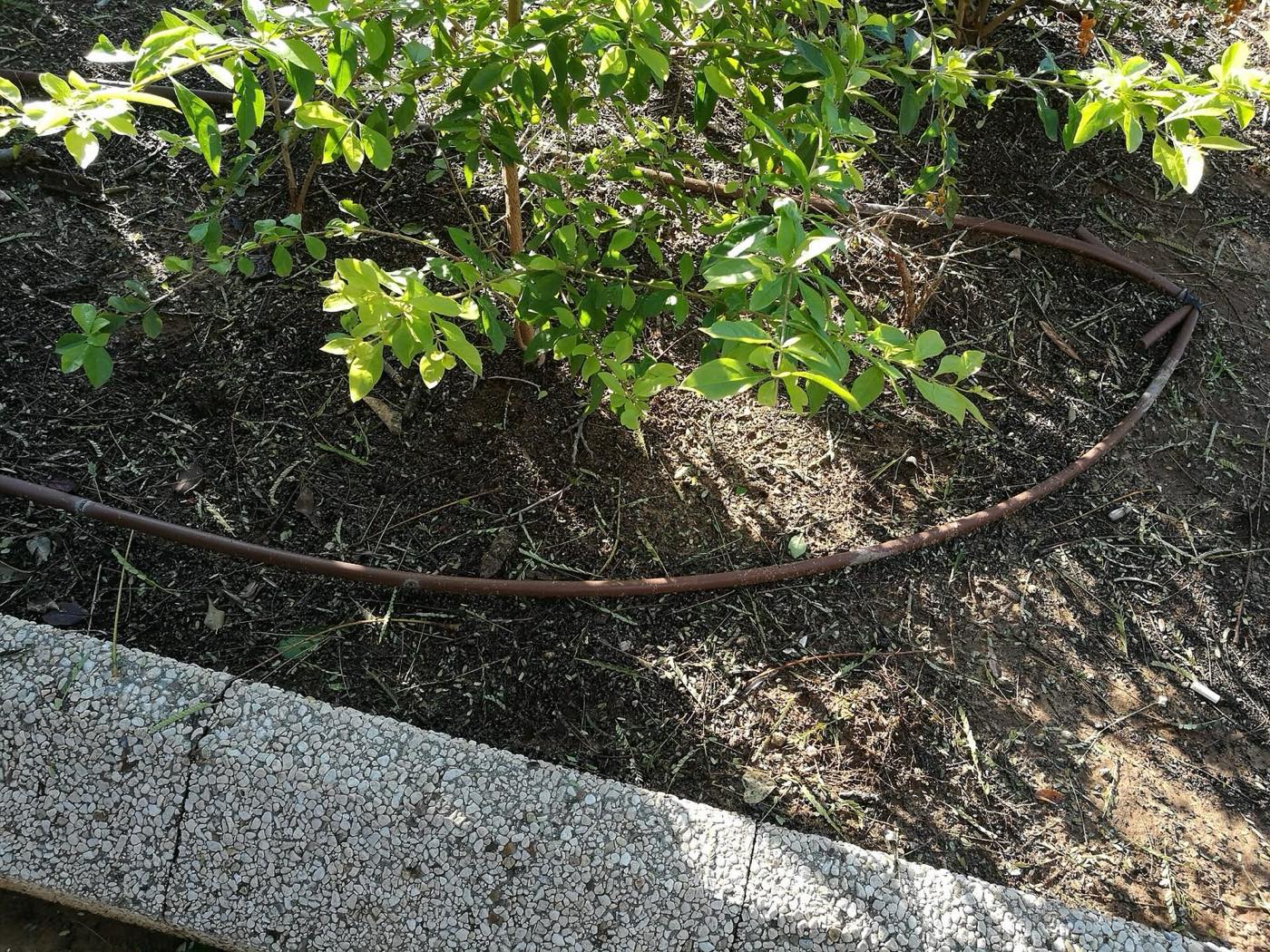
The container guide exists for readers without ground to plant in. Pots, potting mix, light and watering follow different rules from a bed, and the crops that do well in containers are a narrower set. The drip irrigation guide then picks up the watering question for beds, where pressure, filters and timers determine whether a line delivers evenly across a run.
The boundary with the lawn care category is the surface being managed. A lawn is judged by coverage and appearance across a whole area, while a vegetable bed is judged by what it yields from a small volume of soil, which is why soil mix and reliable watering matter more here than they do on turf.
Read the soil and planting calendar pages together if the season is already underway. Soil determines what a bed can support, and the calendar determines whether there is still time for the crop being considered.
Featured · Edible garden
How to choose raised garden bed size, depth, materials, and location, plus how raised beds compare with growing crops in the ground.
Read the guide
Why garden soil, potting mix, and raised bed mix are different, and how to estimate how much soil your new raised beds need.
Read guidePick beginner-friendly vegetables, sketch a simple garden layout, and avoid the mistakes that sink most first-year vegetable plots.
Read guideUse your USDA hardiness zone and average last spring frost date to schedule cool- and warm-season vegetables, with checks for your local area.
Read guidePick the right pot size, potting mix, light, and watering routine for patio vegetables, plus the highest-yield crops for containers.
Read guideWhat a drip irrigation kit includes, how to lay out lines across raised beds, and how pressure, filters, and timers shape your watering.
Read guide