Lawn care
Pre-emergent vs. Post-emergent Weed Control: Start with identification and timing. The aim is to choose a safe next step, not to promote a particular product.
By Lawn & Loam Editorial DeskPublished 2026-07-105 min read
Weed control usually fails for one of two reasons: the product was the wrong type for the weed, or it was applied at the wrong point in its life cycle. The page explains the framework that fixes both, then covers the safety rules that apply to every product. Identification, soil temperature, turf species, and the product label determine the safe treatment window.
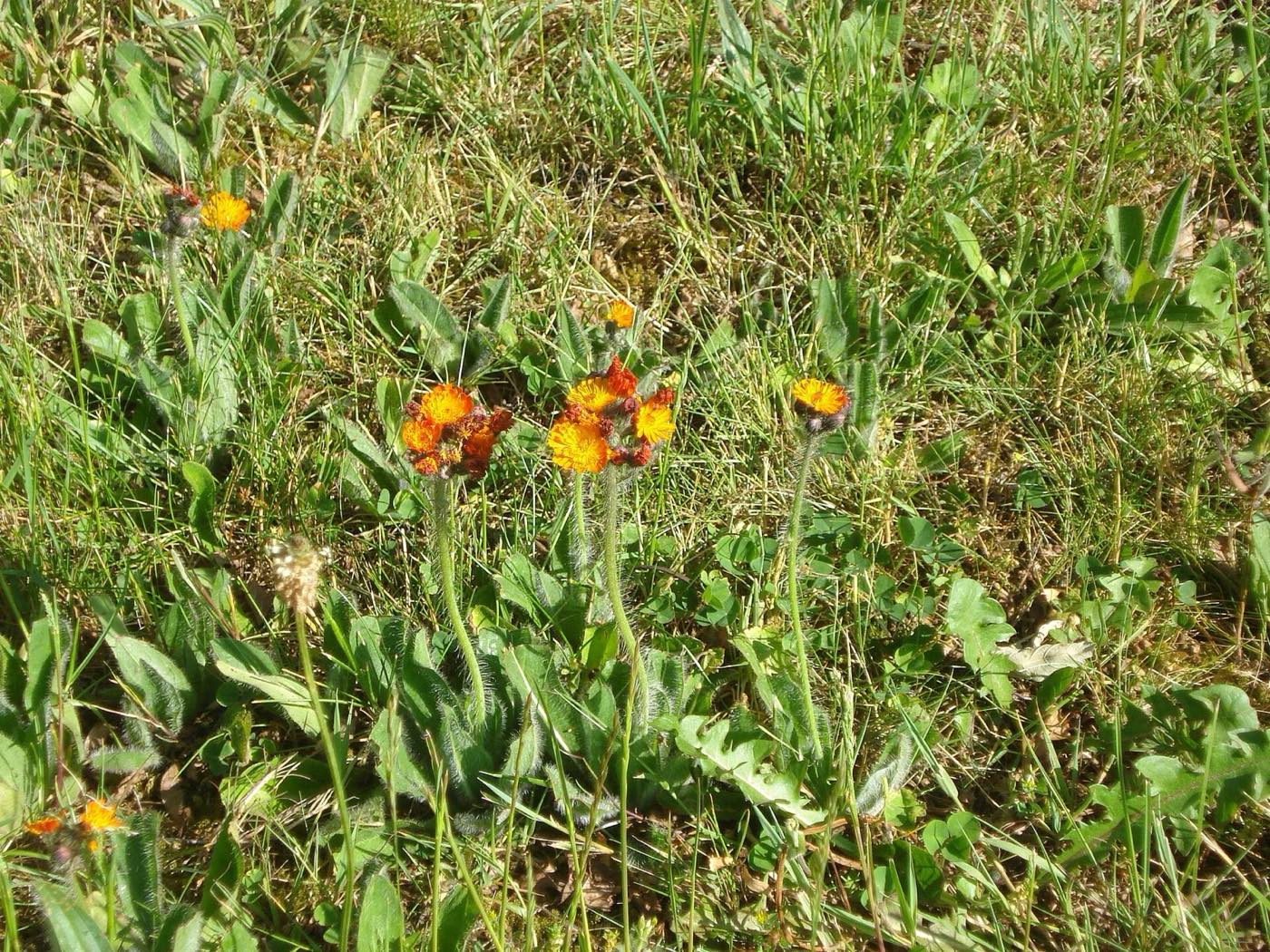
Image source: File:Catsear weed on lawn.jpg · Public domain via Wikimedia Commons
Identify the weed before you choose a product
Annual weeds like crabgrass live and die in one season and depend on seed, so they can be prevented at germination. Perennial weeds like dandelion survive year to year on roots or crowns and must be treated while actively growing. University of Minnesota Extension's crabgrass guidance starts with the plant's life cycle, because the life cycle dictates the timing.
A second distinction is grassy versus broadleaf. Most lawn products are selective: they target broadleaf weeds while sparing turfgrass, or handle grassy weeds under specific conditions. Spraying without knowing your weed's group wastes money or damages the lawn.
- Annual weeds: control the seed, and you control next year's plants.
- Perennial weeds: you're fighting roots and crowns, so expect repeat treatments.
- Dandelion: look for a flat leaf rosette with jagged lobes, a hollow stalk, and one yellow flower; a thick taproot makes hand removal harder.
- Broadleaf plantain: check for a low rosette of oval leaves with strong parallel ribs and a short, dense flower spike.
- Chickweed: look for small soft leaves on a low, spreading stem, tiny white star-like flowers, and a single line of hairs along the stem.
- Self-check path: photograph the leaf, flower, and root, then search your state department of agriculture or university extension database for “weed identification [state]” and compare the diagnostic photos before choosing a product. If the three cards still do not fit, search your state plant clinic or county extension diagnostic page for a photo-submission form and ask for identification before choosing a product.
Pre-emergent: stop the seed before it starts
Pre-emergent herbicides create a chemical barrier in the top few inches of soil that keeps weed seeds from germinating. Clemson Cooperative Extension calls them the proactive approach: for crabgrass, many cool-season lawn programs watch a 5-day soil-temperature average near 50–55°F as the planning window. Active ingredients such as prodiamine (pre-emergent) are examples only, not recommendations; use a product registered in your state and follow its EPA label.
Pre-emergents have limits: most need roughly a quarter inch of water to activate, they break down over weeks, and they stop grass seed too, so never apply one in a window you plan to overseed.
- Apply just before the weed's germination window.
- Check whether a split application suits your region.
- Read the label for activation and overseeding wait periods.
Post-emergent: treat what's already growing
Post-emergent products kill weeds that are already up. Selective products spare the lawn; non-selective products kill whatever they touch. For a young dandelion or plantain, a label may list active ingredients such as 2,4-D or dicamba; these are examples for label-reading, not recommendations, and the registered use in your state controls. Spot-treat rather than blanketing the whole yard. Perennial broadleaf weeds are often easiest to control in the cool fall window while they are moving carbohydrates to roots.
Timing still governs results: perennials are easiest to control when young and actively growing, and some need repeat applications as regrowth appears. The label sets the rate, the repeat interval, and how long to wait before mowing or watering.
- Spot-treat small infestations; broadcast only for widespread problems.
- Treat weeds while they're actively growing, not during heat dormancy.
- Expect some perennials to need a follow-up pass a few weeks later.
The label rules that apply to every product
EPA regulates pesticide labels, and every product must be used exactly as its registered label states: the label lists approved sites, rates, protective equipment, and restrictions. Using more than the label allows is never more effective, and using a product where the label doesn't list the site is off-label use.
Practical safety applies every time: wear the gear the label lists, don't spray on windy days, keep products off hard surfaces, respect the label's re-entry interval for children and pets, and store products in original containers.
- Read the label before you buy, and again before you mix.
- Mix only what you need and follow the label's disposal rules.
- Fix the underlying cause, compaction, mowing height, or shade, not just the weed.
Sources
Sources used for this page
Keep planning
Related guides
Fall Lawn Care Calendar: A Month-by-Month Plan for Cool-Season Grass
A month-by-month fall lawn care calendar for cool-season grass: aeration, overseeding, fertilizer, and leaf cleanup in the order they matter most.
Lawn careHow to Aerate a Lawn: Timing, Methods, and What It Actually Fixes
What core aeration fixes, when to aerate cool-season grass, how core aeration differs from spike aeration, and when to skip it entirely.
Lawn careOverseeding Your Lawn: Fall vs. Spring and How to Do It Right
Why homeowners overseed a cool-season lawn, why fall beats spring in most regions, and the mow, loosen, seed, cover, and water method.