Edible garden
Container vegetable gardening: pots, soil, light, and water
By Lawn & Loam Editorial DeskPublished 2026-08-255 min read
A balcony, patio, or sunny stoop can grow a surprising amount of food when the pot, soil, and watering are right. The page covers container size, potting mix, light, and watering, plus the crops that pay off in pots. It covers outdoor containers, not hydroponics or grow lights.
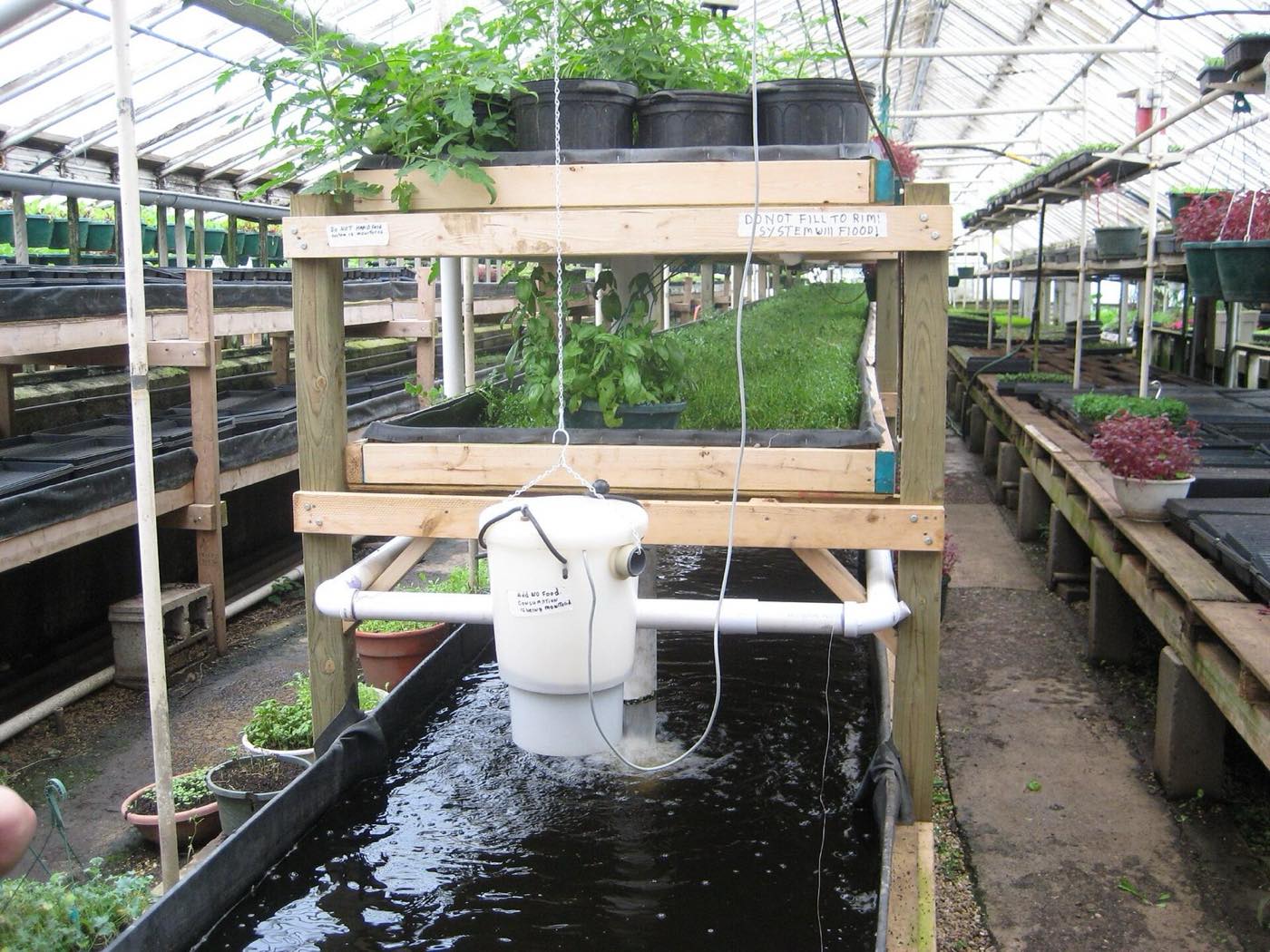
Image source: File:Aquaponics at Growing Power, Milwaukee.jpg · CC via Wikimedia Commons
Match the pot to the plant
Clemson Extension's container factsheet calls for containers at least 6 to 8 inches deep for most plants, with drainage holes so roots never sit in water. Deep pots are better for tomatoes, peppers, and root crops, and never reuse a container that held anything toxic to plants or people.
Bigger pots dry out more slowly and forgive missed waterings, so when in doubt, size up. Bush and dwarf varieties bred for containers usually need less room than full-size versions of the same crop.
- Drainage holes are non-negotiable.
- At least 6 to 8 inches deep for most vegetables.
- Tomatoes and peppers do best in large, deep pots.
- When in doubt, choose the bigger container.
Fill with potting mix, not garden soil
Container soil must stay porous because roots need air as well as water. Clemson notes that garden soil is usually too heavy for pots: it packs down, holds too much water when wet, and pulls away from the pot sides when dry. Use a packaged potting mix instead.
Some soilless mixes are so light they barely support plants; Clemson suggests blending peat with potting soil and perlite or coarse sand for a sturdier medium. Whatever you buy, plan to feed through the season, since container roots cannot reach surrounding soil.
- Garden soil is too heavy for pots; use potting mix.
- Stiffen very light soilless mixes with perlite or coarse sand.
- Container plants need fertilizer because roots are sealed off from the ground.
Light and water are the real constraints
Vegetables grown for fruit - tomatoes, peppers, and eggplant - want at least five hours of full, direct sun and perform better with eight to ten, while leafy greens and root crops tolerate partial shade, per Clemson guidance.
Containers dry out fast, especially on a concrete patio in full sun, and daily or even twice-daily watering may be needed in summer heat. Water until it runs from the drainage holes, then let the soil near the surface dry before the next watering; soggy soil rots roots.
- Check containers daily, and twice on hot, windy days.
- Water until it drains out the bottom of the pot.
- Group pots so foliage shades the soil and slows drying.
- Use trays or saucers to keep decks from runoff stains.
Vegetables that pay off in pots
Choose crops that keep producing instead of ones that need a lot of floor space. Clemson suggests compact space-savers like carrots, radishes, and lettuce alongside long-bearing fruiting crops like tomatoes and peppers, often in cherry and bush forms.
Herbs such as basil and parsley are container naturals, and bush beans or dwarf squash can work in large pots. Fertilize at label rates once the mix's initial nutrients fade - roughly 8 to 10 weeks with many mixes - and never overfeed, because container roots have no buffer against fertilizer burn.
- Cherry tomatoes and peppers: steady, repeat producers.
- Lettuce, radishes, and carrots: quick and compact.
- Basil and other herbs: easy and high value.
Sources
Sources used for this page
Keep planning
Related guides
Raised garden beds: sizing, materials, and where to put them
How to choose raised garden bed size, depth, materials, and location, plus how raised beds compare with growing crops in the ground.
Edible gardenRaised bed soil: the right mix and how much you need
Why garden soil, potting mix, and raised bed mix are different, and how to estimate how much soil your new raised beds need.
Edible gardenYour first vegetable garden: easy crops and a simple layout
Pick beginner-friendly vegetables, sketch a simple garden layout, and avoid the mistakes that sink most first-year vegetable plots.