Edible garden
Raised bed soil: the right mix and how much you need
By Lawn & Loam Editorial DeskPublished 2026-08-195 min read
Fill a raised bed with the wrong soil and no amount of sun will save it. The page explains how garden soil, potting mix, and raised bed mix differ, why it matters, and how to estimate how much soil your beds need. It follows Cooperative Extension guidance, not brand recipes.
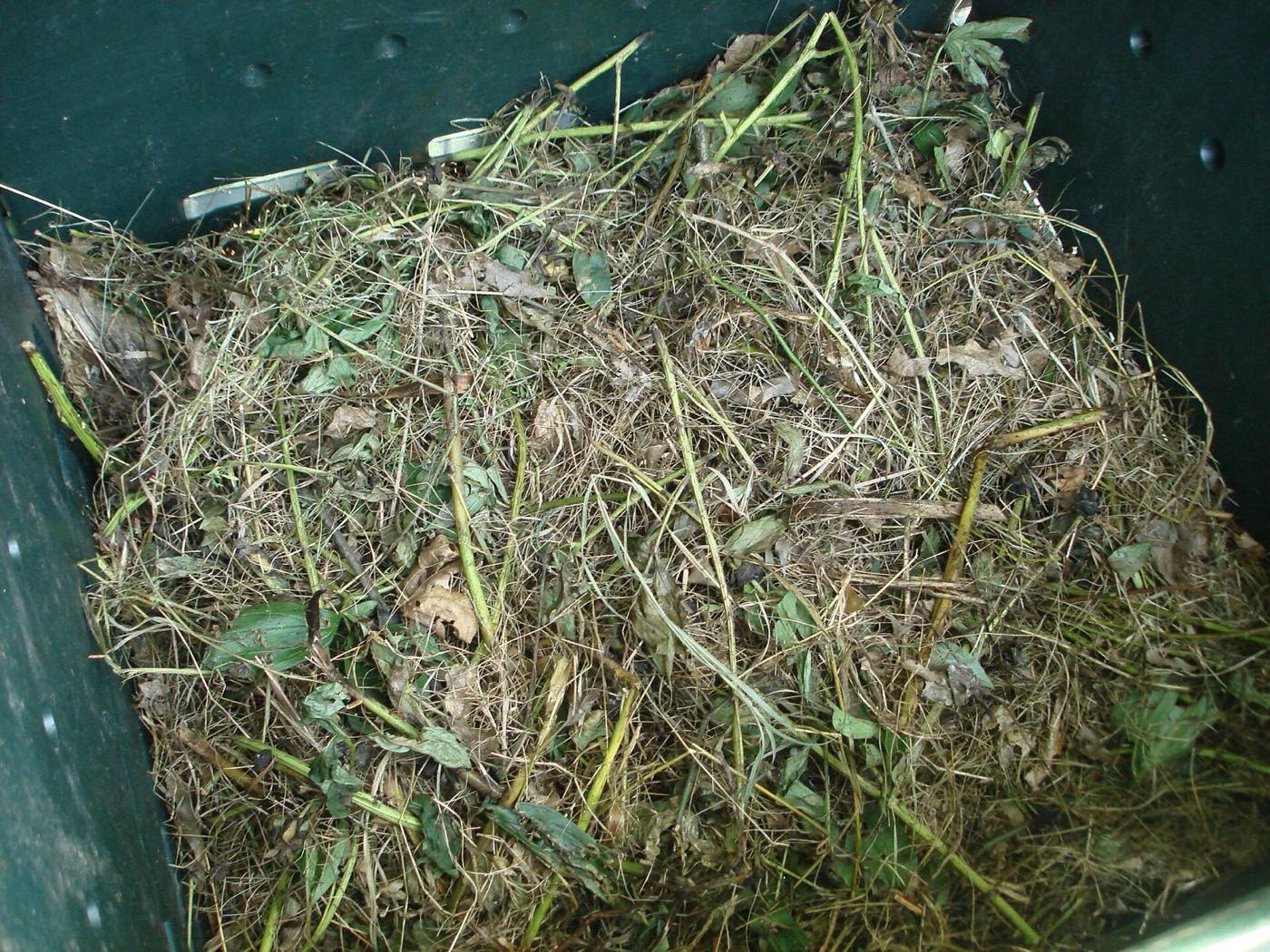
Image source: File:Compost pile.JPG · CC0 via Wikimedia Commons
Garden soil, potting mix, and raised bed mix
The labels describe different jobs. Potting mix is engineered for containers - light and fast-draining - which is why University of Minnesota Extension notes it dries too quickly for open raised beds. Garden soil is heavier, meant for in-ground planting; confined in a bed it packs down and drains poorly.
Bagged raised bed mix blends topsoil with compost or other organic matter. UMN suggests roughly half to two-thirds topsoil with the balance made up of plant-based compost, adjusted to your local topsoil and a soil test.
- Potting mix: light and fast-draining, made for pots and seedlings.
- Garden soil: heavier, for in-ground beds and borders.
- Raised bed mix: topsoil plus compost, sized for open beds.
Why the mix matters
A bed behaves like a big container: water drains out the edges, and the soil profile is only as deep as your frame. Too much compost holds air but dries out and can even repel water once very dry; too little leaves you fighting compaction. A soil test before you fill tells you whether lime or specific nutrients are needed.
UMN also flags composted manure as high in phosphorus, worth using sparingly and only when a soil test shows a need. If a first season disappoints, test before adding anything else.
- Aim for roughly half to two-thirds topsoil, the rest compost.
- Soil test first; do not guess at lime or fertilizer.
- Use composted manure sparingly, only when a test calls for phosphorus.
Estimate volume before you buy
Volume is length times width times depth. Measure in feet, multiply the three numbers, and you get cubic feet: a 4 by 8 foot bed that is 1 foot deep holds 32 cubic feet of soil, a little over 1 cubic yard.
Buying by the cubic yard in bulk is usually far cheaper per unit, and many garden centers deliver. Bagged soil is sold by the cubic foot, so divide your total by the bag size, and expect fresh mix to settle after watering.
- Length x width x depth in feet = cubic feet of soil.
- 27 cubic feet equals 1 cubic yard; bulk delivery is often cheaper.
- Bagged mixes list cubic feet; divide your total by the bag size.
Fill it once, refresh it every year
Fill the frame, water it in, and let the mix settle before planting. In following seasons, most gardeners top-dress with an inch or two of compost instead of dumping in all-new soil.
If you build a very tall bed, you can save money by placing coarse material in the bottom, but keep the top rooting zone as a real soil mix. Renew with compost each fall or spring and retest the soil every few years.
- Water the fresh mix in and let it settle before planting.
- Renew with an inch or two of compost each season.
- In tall beds, spend your soil budget on the top rooting zone.
Sources
Sources used for this page
Keep planning
Related guides
Raised garden beds: sizing, materials, and where to put them
How to choose raised garden bed size, depth, materials, and location, plus how raised beds compare with growing crops in the ground.
Edible gardenYour first vegetable garden: easy crops and a simple layout
Pick beginner-friendly vegetables, sketch a simple garden layout, and avoid the mistakes that sink most first-year vegetable plots.
Edible gardenWhen to plant vegetables in your zone: a frost-date method
Use your USDA hardiness zone and average last spring frost date to schedule cool- and warm-season vegetables, with checks for your local area.