Edible garden
When to plant vegetables in your zone: a frost-date method
By Lawn & Loam Editorial DeskPublished 2026-08-235 min read
Zone maps and frost dates answer the single most useful question in vegetable gardening: when is it safe to plant? The page explains how to read your USDA hardiness zone, find your average last spring frost date, and build a cool- and warm-season planting plan that you verify against your own county.
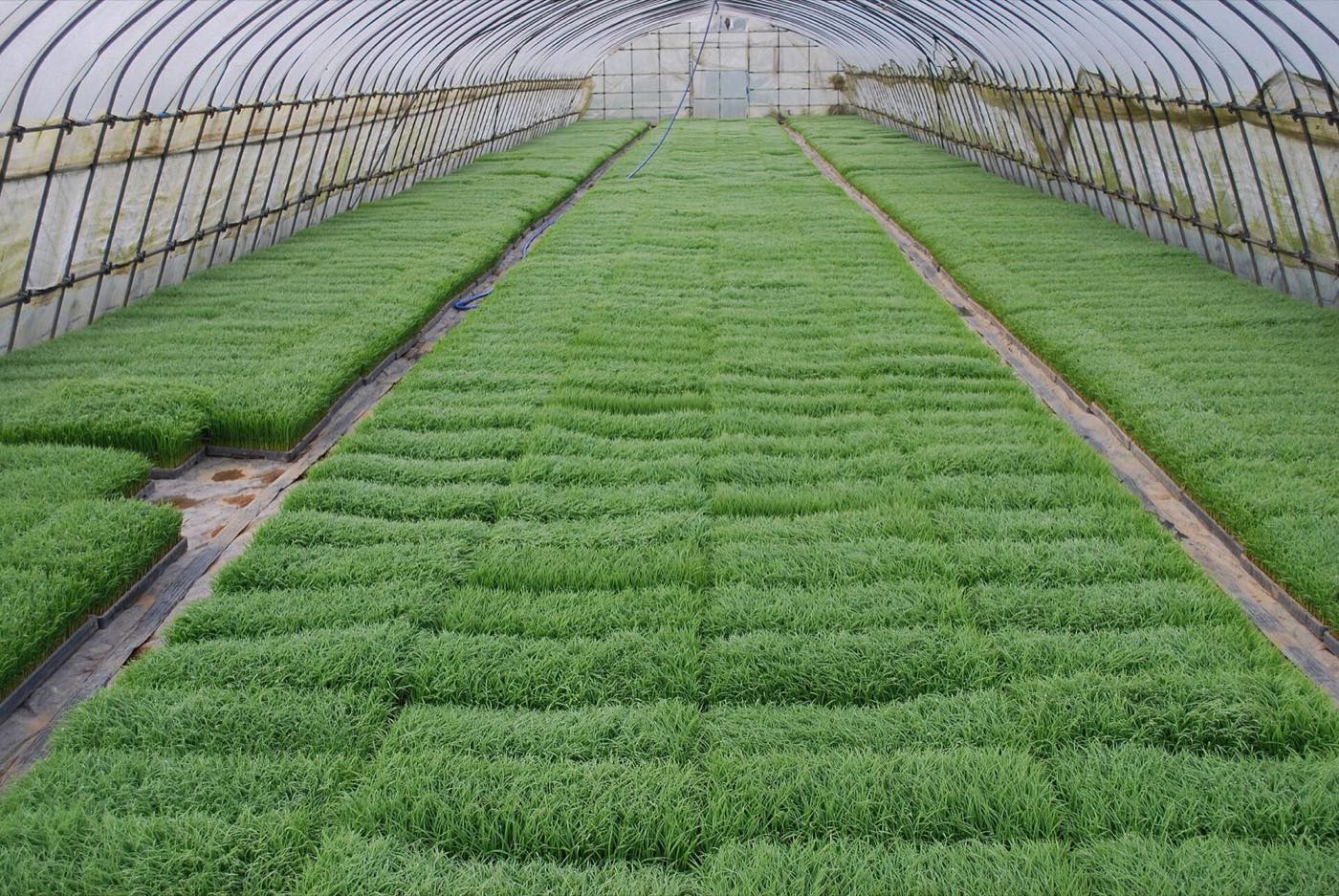
Image source: File:Seedbed of the rice,Katori-city,Japan.JPG · CC via Wikimedia Commons
What a hardiness zone does and does not tell you
The USDA Plant Hardiness Zone Map divides the country by the average annual extreme minimum winter temperature, using 10 degree F zones and 5 degree half zones. It is designed to predict which perennial plants survive your winters, not when to plant annual vegetables.
For planting time, your frost-free season matters more than your zone number. Two gardens in the same zone can have very different last frost dates if one sits near a large body of water or at higher elevation.
- Hardiness zone predicts winter survival of perennials.
- Frost dates predict the safe window for warm-season crops.
- Local climate beats the zone map for planting timing.
Find your last spring frost date
The average last spring freeze date is the local benchmark around which cool- and warm-season schedules pivot. NOAA's Climate.gov interactive map shows average last spring freeze dates across the country, and your local National Weather Service office publishes frost and freeze information for its region.
Average means average: roughly half of all years see a later freeze. Gardeners respond by planting warm-season crops on the safe side of the date, waiting for warmer-than-normal stretches, and covering tender plants when a late freeze threatens.
- Look up your average last spring freeze date, not just your zone.
- Treat averages as 50-50 odds, then check the 10-day forecast.
- Be ready to cover tender transplants if a late freeze threatens.
Sort crops into cold-tolerant and warm-season
University of Minnesota Extension separates crops by cold tolerance. Cool-season crops - lettuce, cabbage, broccoli, peas, and spinach - can be direct-seeded when soil temperatures reach roughly 40 to 50 degrees F, early in spring.
Warm-season crops - tomatoes, peppers, eggplant, squash, and basil - want soil closer to 50 to 60 degrees F and should go out after the last expected frost; in Minnesota that lands in mid-to-late May. Your dates will differ, which is exactly why local verification matters.
- Cool-season crops: sow early, harvest before summer heat.
- Warm-season crops: set out after the last frost date.
- Use soil temperature, not just air temperature, as your guide.
Localize with your state's planting guide
State Cooperative Extension services publish vegetable planting calendars tuned to their own climates. Find your state's guide, compare it with your last frost date, and mark the recommended window for each crop you grow.
Finally, keep a garden journal: record planting dates and weather each year. Within two seasons you will have frost and planting data specific to your own backyard, which beats any general calendar.
- Check your state extension's vegetable planting guide.
- Write down your actual planting dates and any frost damage.
- Adjust by a week or two once you know your microclimate.
Sources
Sources used for this page
Keep planning
Related guides
Raised garden beds: sizing, materials, and where to put them
How to choose raised garden bed size, depth, materials, and location, plus how raised beds compare with growing crops in the ground.
Edible gardenRaised bed soil: the right mix and how much you need
Why garden soil, potting mix, and raised bed mix are different, and how to estimate how much soil your new raised beds need.
Edible gardenYour first vegetable garden: easy crops and a simple layout
Pick beginner-friendly vegetables, sketch a simple garden layout, and avoid the mistakes that sink most first-year vegetable plots.