Edible garden
Raised garden beds: sizing, materials, and where to put them
By Lawn & Loam Editorial DeskPublished 2026-08-175 min read
Raised beds solve real problems - poor fill soil, compacted ground, wet corners, and sore backs - but the box you build shapes everything that follows. The page covers where they help, the dimensions that work, and which materials last. It addresses containerized beds you fill with soil, not mounded in-ground rows.
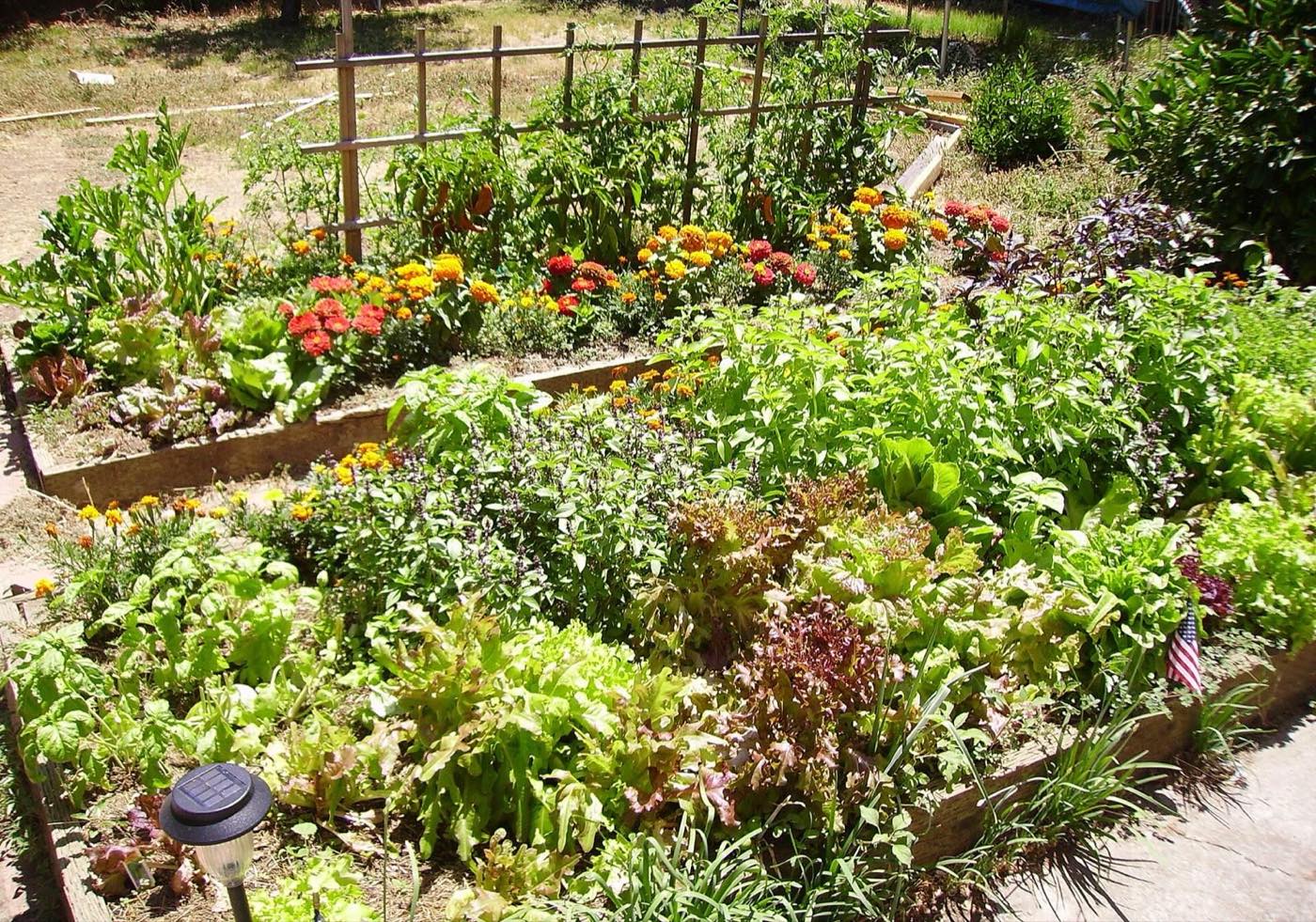
Image source: File:Raised bed.jpg · CC via Wikimedia Commons
Start with light and water access
Site the bed before buying lumber. Extension guidance recommends placing beds for fruiting crops like tomatoes and peppers where they get at least 6 to 8 hours of direct sun, with water nearby, since raised soil dries faster than ground soil.
Beds with only a few hours of sun still earn their place: lettuce, baby kale, scallions, radishes, and beet greens tolerate part shade. Raised beds also suit problem sites - compacted fill, contamination worries, very wet spots, or rules against in-ground gardens.
- Fruiting vegetables want 6 to 8 hours of direct sun or more.
- Keep a hose or drip line close; raised soil dries quickly.
- Part-shade beds suit leafy greens, radishes, and scallions.
- Use beds where soil is compacted, contaminated, or poorly drained.
Size the bed to your reach
Width matters most: you should reach the center from either side without stepping in, so roughly 3 to 4 feet suits most adults. Boards under 6 feet are also less likely to warp.
Depth depends on the job. Beds raised only a few inches above grade grow most vegetables fine; lifting 1 to 2 feet helps on hot pavement or for access, and about 27 inches suits wheelchair users. Every extra inch means more soil to buy and faster drying.
- Keep width to about 4 feet so you can reach the middle.
- A few inches of lift may be enough for many crops.
- Raise beds 1 to 2 feet on hot, hard surfaces.
- About 27 inches suits gardeners who garden from a chair.
Pick materials by budget and lifespan
Wood is the most common, least expensive option; cedar and hemlock outlast softwoods like pine and fir. With pressure-treated lumber, choose products labeled for ground contact, and avoid old railroad ties or wood treated decades ago with arsenic.
Galvanized steel lasts long; brick and pavers look permanent but cost more and can raise soil pH; fabric grow bags are inexpensive and behave like big containers. Whatever you pick, set the width by your reach first.
- Cedar and hemlock last longer than pine and fir.
- Ground-contact-rated treated lumber is the safe modern choice.
- Metal, brick, and fabric all work; match cost to how long you plan to garden there.
Raised beds vs. in-ground planting
Raised beds warm up faster in spring, give you control over the soil, and make weeds easier to manage. The trade-offs are real: soil dries faster and needs more frequent watering - especially in taller beds - and filling costs more than working existing ground soil.
In-ground gardens still make sense where soil and drainage are good and budget matters. Neither method is universally better; choose for your site.
- Raised: faster spring warm-up, controlled soil, easier access.
- Raised: dries faster; taller beds need more water.
- In-ground: cheaper where the existing soil is decent.
Sources
Sources used for this page
Keep planning
Related guides
Raised bed soil: the right mix and how much you need
Why garden soil, potting mix, and raised bed mix are different, and how to estimate how much soil your new raised beds need.
Edible gardenYour first vegetable garden: easy crops and a simple layout
Pick beginner-friendly vegetables, sketch a simple garden layout, and avoid the mistakes that sink most first-year vegetable plots.
Edible gardenWhen to plant vegetables in your zone: a frost-date method
Use your USDA hardiness zone and average last spring frost date to schedule cool- and warm-season vegetables, with checks for your local area.