Equipment
Cordless vs Gas Mowers: A Range, Power, and Cost Comparison
By Lawn & Loam Editorial DeskPublished 2026-07-207 min read
Cordless battery mowers and gas mowers each win a different argument, and the smart purchase depends on your lawn, your neighborhood, and how you count costs over several seasons.This guide compares range, power, noise, maintenance, and total cost of ownership. Estimate the longest uninterrupted mowing session and price a replacement battery before choosing a platform.
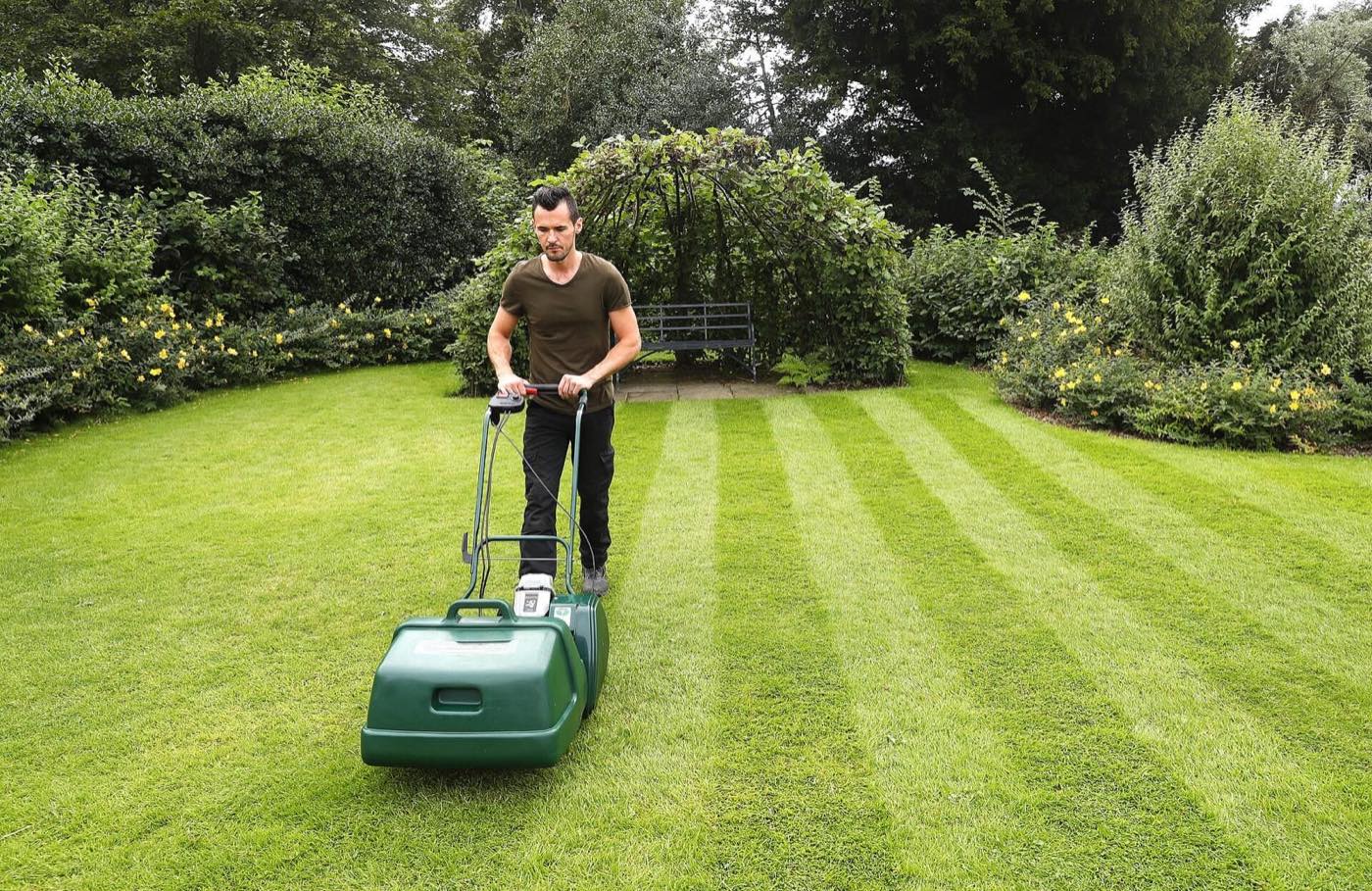
Image source: File:Liberty 43 (94).jpg · CC via Wikimedia Commons
What changes when you leave the gas can behind
Battery mowers start at the push of a button, run quietly, and produce no exhaust at the point of use. Manufacturer guidance on battery equipment lists the everyday wins: no pull-start, no oil changes or fuel mixing, less vibration, and nothing to winterize beyond the battery itself.
Gas mowers answer with endurance. Refueling takes seconds, and power stays steady through thick, damp, or tall grass and long sessions. Consumer Reports testing has found the two camps closer than buyers expect, with gas models still holding an edge in raw runtime under heavy conditions.
Range and power: size the battery to the real job
Runtime claims assume light, dry, level grass. Wet grass, slopes, mulching, and dense growth drain batteries faster, and packs lose capacity with age and heat, so treat any runtime figure as a best case. On a medium lawn, plan around one or two charges per mow, or keep a second pack in rotation.
A shared battery platform changes the math: if your trimmer, blower, and mower take the same packs, one spare battery backs up the whole yard, and you avoid maintaining a second fuel system.
- Taller, wetter, denser grass means less mowing per charge.
- A shared platform lets one spare pack support several tools.
- Heat and cold shorten battery life; store packs sensibly.
Noise, emissions, and the rules where you live
Gas mowers are small off-road engines. California's air board regulates new ones under its Small Off-Road Engine program, which requires certification and labeling to emission standards, and California and some other jurisdictions are moving new small engines toward zero emission, while a number of cities already restrict gas lawn equipment.
Battery mowers sidestep the fumes, most of the noise, and the regulatory conversation entirely. That is a real factor if you mow early, share a fence line, or live where equipment rules are tightening.
- Local noise and equipment rules vary; check them before you buy.
- Battery mowers are effectively future-proof against gas-engine rules.
Maintenance and the cost of ownership
Gas ownership means oil, air filters, spark plugs, and fuel care, stale fuel is a leading cause of hard starts, plus seasonal service. Battery ownership shifts that work to the pack itself, which degrades over time and eventually needs replacement.
Add up the full cost over the machine's expected life: purchase, fuel or electricity, consumables, service, and replacement batteries or engine repairs. The cheapest sticker is rarely the cheapest per season, and the reverse is equally true.
- Write down each cost line before you compare machines.
- Gas engines reward yearly maintenance; skipped maintenance shows up quickly.
- If you already own a battery platform, factor in shared packs and chargers.
Sources
Sources used for this page
Keep planning
Related guides
How to Choose a Lawn Mower: Match the Type to Your Yard
Push, self-propelled, or riding: match your mower type to yard size, slope, and the mowing time you can actually give it.
EquipmentRiding Mower vs Zero-Turn: Yard Shape, Terrain, and Skill
Riding mowers versus zero-turns: how yard shape, terrain, budget, and the steering learning curve should decide which you buy.
EquipmentRobot Lawn Mowers: How They Work and Who They Really Suit
How robot mowers navigate and mow, which yards they genuinely suit, what setup and upkeep cost in time, and their real limits.