Equipment
Riding Mower vs Zero-Turn: Yard Shape, Terrain, and Skill
By Lawn & Loam Editorial DeskPublished 2026-07-227 min read
A riding mower and a zero-turn both put you in a seat, but they are built for different yards and different drivers. The page compares the two against yard shape, terrain, budget, and the learning curve of the controls, so you can decide which one earns its keep on your property. This comparison focuses on steering, slope, storage, and workload—the trade-offs that still matter when model names change. Measure the gate and storage opening, count the tight turns, and include the slopes you will actually mow; a machine that cannot enter or be safely parked is the wrong fit.
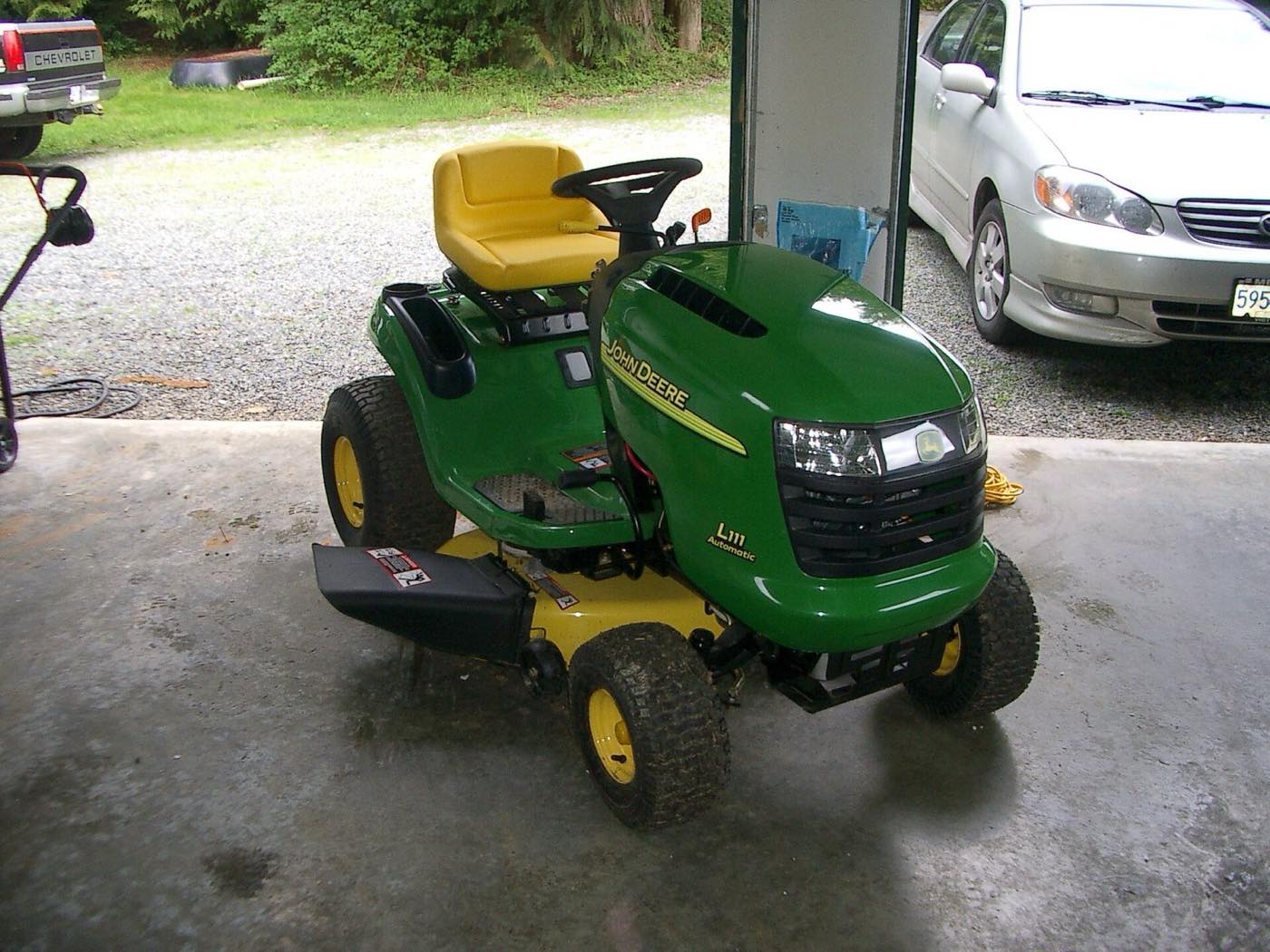
Image source: File:New Toy -3 (137919279).jpg · CC via Wikimedia Commons
Two machines, two ways of steering
A conventional riding mower, often sold as a lawn tractor, steers with a wheel and front wheels, carries its deck between or ahead of the axles, and often has a hitch for pulling carts or attachments. A zero-turn has no steering wheel: twin levers control the rear drive wheels independently, so the machine can pivot in place.
Zero-turns began as commercial workhorses, and manufacturer guides still frame them as the maneuverability play, built to cut mowing and trimming time around obstacles, now offered widely to homeowners.
Match the machine to the shape of the yard
Open, rectangular grass favors the calm, towing-friendly riding mower. Grass that wraps around trees, island beds, rocks, and fence corners rewards the zero-turn's pivot turns, which trim the back-and-forth and hand-finishing time on every lap.
Deck width matters on both, but on a complicated lawn, turning ability usually beats deck inches. Count tight turns and obstacles before you count acres.
- Trees, beds, and curvy edges: zero-turn territory.
- Long open runs plus towing jobs: a steering-wheel rider earns its keep.
- A wider deck covers open ground faster on either type.
Slopes, stability, and honest limits
Zero-turns pair wide rear tires with a low center of gravity, which manufacturer material credits with solid traction and stability on uneven ground. That is not an invitation to steep banks: both types deserve caution on grades, and very steep slopes belong to a walk-behind mower or a professional.
Try the machine on your own terrain if you can. Slope angle, soil moisture, and turf all change how a rider feels. Measure the steepest section instead of averaging the whole lot; one short bank can rule out a riding machine even when most of the yard is flat.
Budget, storage, and the learning curve
Maneuverability generally comes with a higher price tag and a larger footprint in the garage, and twin-lever controls take a few sessions to feel natural, new operators can scalp turf or carve turns while they learn. Steering-wheel riders are easier to step onto cold and simpler for other household drivers to pick up.
Before you commit, let everyone who will mow try the controls, ask about service and parts rather than only the machine, and measure your doorways and shed before you measure the lawn.
- Higher maneuverability usually means a higher price and more storage space. Current consumer pricing commonly places basic riding mowers in the low-thousands and zero-turn machines from roughly $3,000 upward; use those only as broad planning bands because local sales and engine/deck choices move the final figure. Consumer residential decks commonly span about 42–54 inches; engines often fall around 18–27 horsepower, but verify the exact model manual. Treat these as comparison bands, not promises.
- Test-drive on your own ground, including the slopes you plan to mow.
- Compare service networks and warranty terms, not just specs.
For a neutral safety check before buying, compare your slope and mowing pattern with the University of Minnesota Extension guide on mowing; its safety notes are more useful here than a manufacturer claim.
Sources
Sources used for this page
Keep planning
Related guides
How to Choose a Lawn Mower: Match the Type to Your Yard
Push, self-propelled, or riding: match your mower type to yard size, slope, and the mowing time you can actually give it.
EquipmentCordless vs Gas Mowers: A Range, Power, and Cost Comparison
A comparison of cordless and gas mowers: runtime, power in tough grass, noise, maintenance, and total cost over several seasons.
EquipmentRobot Lawn Mowers: How They Work and Who They Really Suit
How robot mowers navigate and mow, which yards they genuinely suit, what setup and upkeep cost in time, and their real limits.