Seasonal
Fall Yard Cleanup: Leaves, Garden Beds, and What to Leave Alone
By Lawn & Loam Editorial DeskPublished 2026-07-145 min read
Fall cleanup used to mean stripping the yard down to bare soil and bagging every leaf. Extension educators have revised that script: leaves are a resource, many insects and pollinators overwinter in plant debris, and a lawn buried under a foot of leaves is the only real problem. This checklist covers lawns, garden beds, and equipment, with an honest note on what to leave alone.
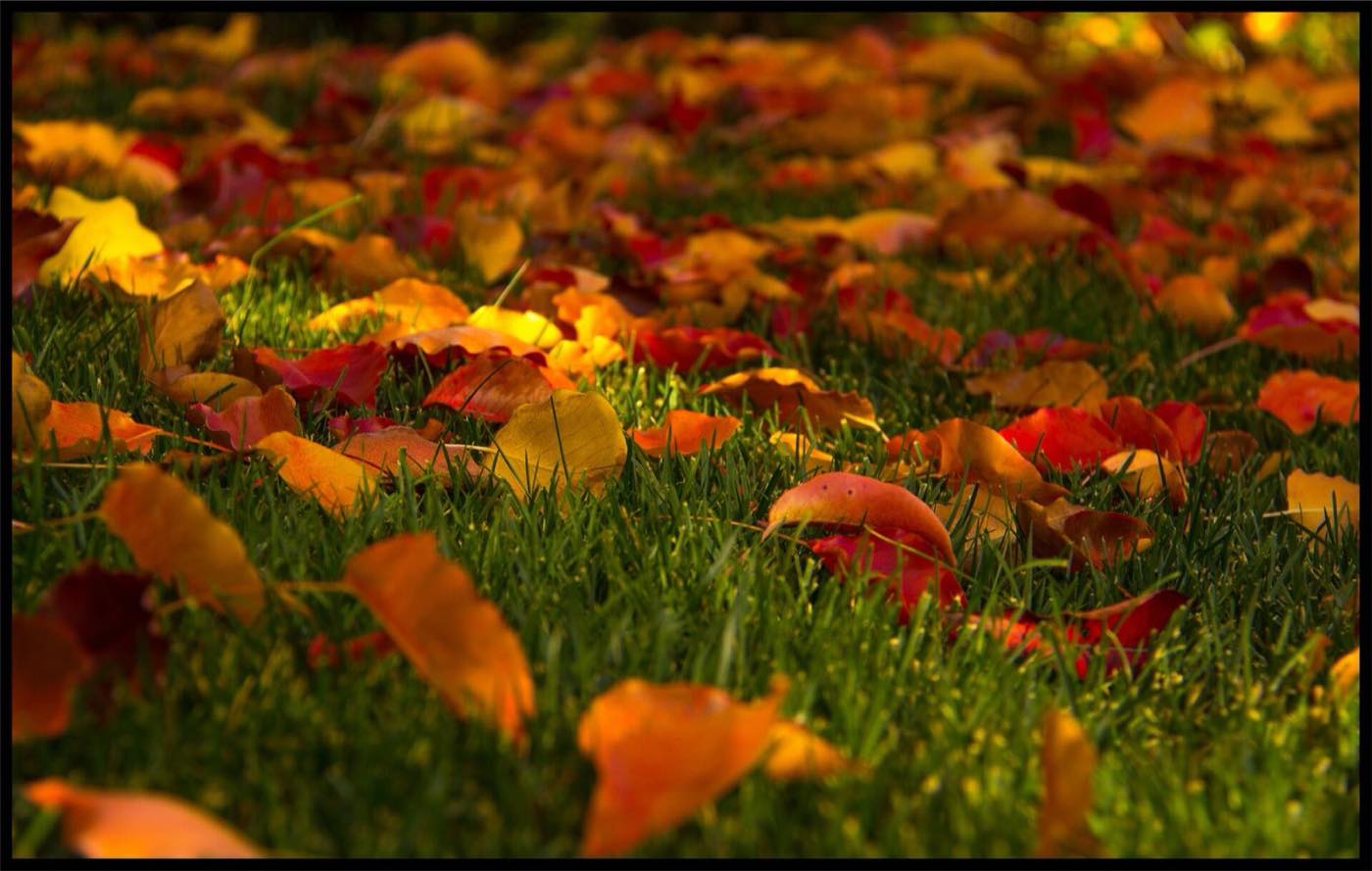
Image source: File:Fallen (52476098).jpeg · CC via Wikimedia Commons
Lawn leaves: mow them in, don't bury the turf
For leaves on the lawn, the modern default is to mow them in rather than rake and haul. K-State Research and Extension agents argue mulch mowing recycles leaf nutrients back into the turf, and Iowa State's fall lawn guidance agrees: as long as you can see grass through the leaf layer, mowing leaves in is a legitimate, time-saving choice.
The limit is thickness. Deep leaf blankets smother grass and invite snow mold. When leaves pile up faster than the mower can process them, rake or blow the surplus onto beds or into the compost pile.
- Mow leaves when they're dry; wet leaf mats clog mowers.
- If leaf drop is heavy, mulch in small doses weekly.
- Give the lawn one final cleanup before the first lasting snow.
What to leave alone: leaves, stems, and quiet corners
'Leave the leaves' is more than a slogan. University of Maryland Extension's Maryland Grows blog explains that many pollinators and beneficial insects overwinter in leaf litter and standing stems, so leaving them means leaving next year's insects. The same post offers the middle ground: protect habitat without burying the lawn or annoying neighbors by concentrating leaves in beds and out-of-the-way areas.
In practice: keep the lawn clear enough to survive winter, keep a leaf layer in beds, leave stems standing where they look acceptable, and clean up in spring if you prefer tidy.
- Move surplus leaves into beds as a free mulch layer.
- Leave a few quiet piles for overwintering insects, then clean up in spring.
- Screen leaf piles behind plants if neighbor expectations matter.
Garden beds and compost
Clear finished vegetable and annual beds, sending spent plants to the compost pile or back onto soil as light mulch, depending on disease pressure. Healthy leaves are excellent compost material: they balance nitrogen-rich grass and kitchen scraps, and shredded leaves break down faster than whole ones.
For perennials, restraint is the theme: cut back only what's diseased or floppy, and leave healthy growth to protect crowns through winter. If you compost diseased material, follow your local extension guidance.
- Shred leaves before composting them for faster breakdown.
- Keep diseased plant material out of beds and handle it per local guidance.
- Sketch your beds now so spring planting starts from a plan.
Equipment and hardscape: a 30-minute winter prep
Take care of tools while the weather holds. For gas equipment, follow the owner's manual on fuel storage, draining the tank, running it dry, or adding a stabilizer, and sharpen mower blades so spring starts sharp. For battery tools, store batteries per the manual, and drain hoses and sprinklers before freezing.
Finish by clearing paved surfaces: compost leaves, return clean clippings to the lawn, and collect spilled fertilizer so the first winter rain does not carry this concentrated debris into local waterways.
- Drain and coil hoses; store sprinklers indoors.
- Stow rakes, blowers, and trimmers so they don't rust over winter.
- Note what broke this fall so you can plan replacements over winter.
Sources
Sources used for this page
Keep planning
Related guides
Raised garden beds: sizing, materials, and where to put them
How to choose raised garden bed size, depth, materials, and location, plus how raised beds compare with growing crops in the ground.
Edible gardenRaised bed soil: the right mix and how much you need
Why garden soil, potting mix, and raised bed mix are different, and how to estimate how much soil your new raised beds need.
Edible gardenYour first vegetable garden: easy crops and a simple layout
Pick beginner-friendly vegetables, sketch a simple garden layout, and avoid the mistakes that sink most first-year vegetable plots.