Equipment
Hedge Trimmers: Blade Length, Power, and Safe Technique
By Lawn & Loam Editorial DeskPublished 2026-08-016 min read
Hedge trimmers make short work of long hedges, but the right one depends on plant size, power source, and how much precision the job needs, and knowing when not to shear is half the skill. The page covers blade length, power and handle design, when hand shears beat a motor, and safe technique. Start by measuring hedge height, total run length, and the thickest live stem you expect the blade to cut.
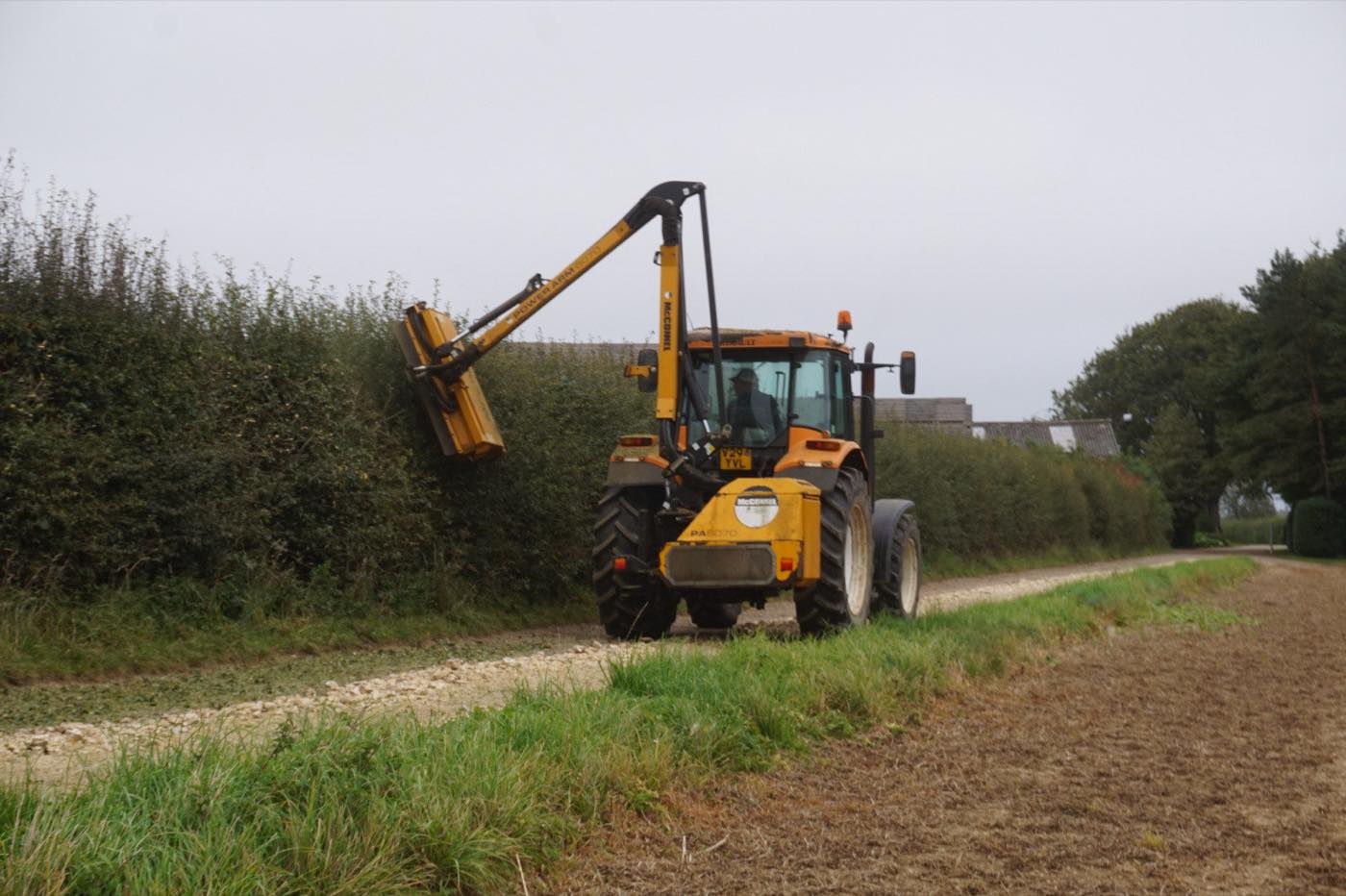
Image source: File:Hedge trimming near Little Wauldby Farm (geograph 6686490).jpg · CC via Wikimedia Commons
Blade length follows hedge size
Short blades on compact trimmers stay light and precise, a good fit for small shrubs, detail work, and shaping. Longer blades cover big hedges in fewer passes, but the extra weight hangs at arm's length and wears you down on long runs.
Consider what you grow as well. Fine-leaved formal hedges shear cleanly and forgivingly, while coarse, thick-stemmed shrubs demand more cutting power and a blade designed for heavier growth.
- Measure your longest hedge run and its height before choosing a blade.
- Light, precise work favors a shorter blade; volume favors a longer one.
- Test the weight and balance before you buy, arm's length is where it counts.
Power source and one- or two-handed design
Battery trimmers offer cordless freedom with neighborhood-friendly quiet and usually share packs with other tools in a platform. Corded models suit hedges near an outlet, with no battery care. Gas trimmers provide sustained power for heavy, frequent hedging. Choose the platform that matches the rest of your gear.
Handle design sets the feel. Larger trimmers use a rear handle plus a front grip for two-handed control and reach; compact single-hand units suit close work but trade leverage and safety margin. A machine that feels heavy in the store will feel heavier at arm's length, buy for your height and strength.
When shears beat a motor, and when shearing hurts
Hand shears beat a power tool for a single shrub or a few precise cuts, where starting a motor is overkill. For fifty feet of formal hedge, the powered trimmer is the right tool.
Shearing has real costs. Clemson Extension explains that every pass removes photosynthesizing leaves; routine shearing pushes growth to the outer canopy, thins the interior, and can shorten the life of some shrubs, boxwoods among them. Reserve tight geometric shearing for hedges you will maintain on that schedule, and let most plants keep a more natural form.
Timing follows the plant, not the calendar. Heavy corrective pruning is best done before spring growth begins, and shearing in late fall can encourage tender new growth in many regions.
- Sheared hedges need a steady maintenance rhythm or they decline from the inside out.
- Light trimming through the season; heavy pruning before spring growth.
- Prefer selective thinning cuts to random heading back where appearance allows.
Safe technique
Check the hedge for birds' nests before the first spring cut, and scan for utility lines or branches you cannot see from your footing.
Keep both hands on the handles where the trimmer is designed for it, work from stable footing, and never overreach from a ladder with a running blade.
- Wear eye protection and gloves; keep cords clear of the blade on corded models.
- Stop the blade before moving between hedges or clearing jams.
- When the hedge outgrows your reach or the ladder feels wrong, that is a professional's job.
Sources
Sources used for this page
Keep planning
Related guides
How to Choose a Lawn Mower: Match the Type to Your Yard
Push, self-propelled, or riding: match your mower type to yard size, slope, and the mowing time you can actually give it.
EquipmentCordless vs Gas Mowers: A Range, Power, and Cost Comparison
A comparison of cordless and gas mowers: runtime, power in tough grass, noise, maintenance, and total cost over several seasons.
EquipmentRiding Mower vs Zero-Turn: Yard Shape, Terrain, and Skill
Riding mowers versus zero-turns: how yard shape, terrain, budget, and the steering learning curve should decide which you buy.