Equipment
Lawn Mower Tune-Up: A Seasonal Maintenance Checklist
By Lawn & Loam Editorial DeskPublished 2026-08-076 min read
Most mower failures happen in the garage, not in the grass: dull blades, stale fuel, a clogged filter, problems a short seasonal routine prevents. This checklist covers the spring start-up and fall put-away for gas and battery equipment and the tools that share their shed. It deliberately does not replace your manual; where the two conflict, the manual wins.
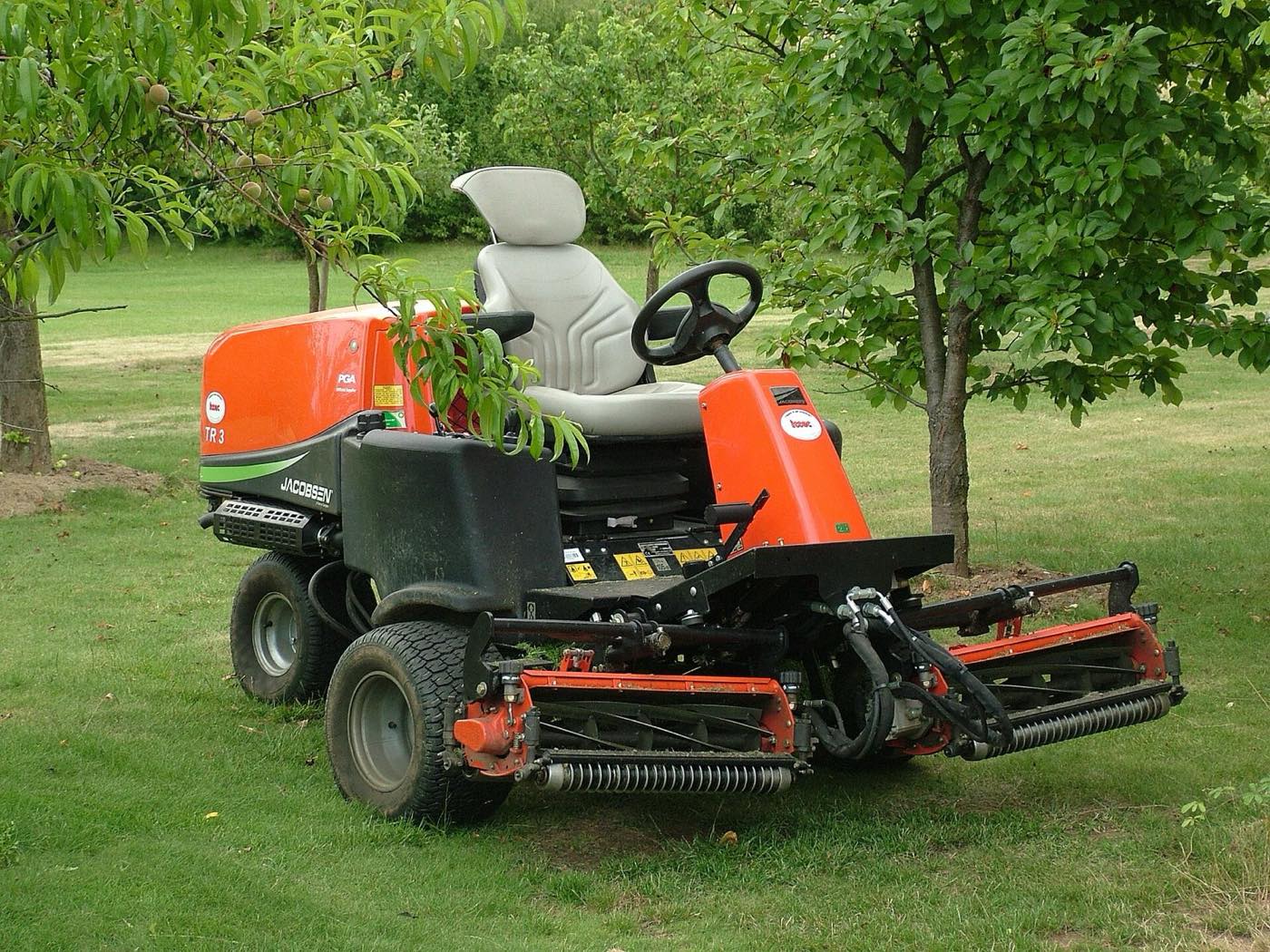
Image source: File:100720 ATRGC Sekacka 0300.JPG · CC via Wikimedia Commons
Your manual outranks any checklist
Every extension guide and manufacturer page starts the same way: consult the owner's manual for your specific model. The advice below reflects common homeowner practice, but oil types, service intervals, and battery care differ by machine, and some mowers log hours you should follow instead of a calendar.
Two safety habits come first. Before any service, make sure the blade and all moving parts have stopped, and disconnect the spark plug wire so the engine cannot fire while your hand is near the deck. When you tip the mower to reach the underside, turn it so the air filter side stays up, tipped the wrong way, oil drains into the filter and the engine will not start.
Blades, oil, and air filter
A sharp blade is lawn care, not just maintenance: dull steel tears grass instead of cutting it, leaving ragged tips that brown and invite disease. Check the blade each spring and again mid-season if you mow through tough growth, and sharpen it, or replace it, when you can see nicks or a worn edge.
Engine care follows a simple loop. Check the oil level on the dipstick while the engine is cold, per Illinois Extension's mower guidance, and top it off; most residential mowers get their oil changed yearly. Service or replace the air filter on the manual's schedule and glance at the spark plug each season.
- Sharpen the blade at least once a season, more with heavy use.
- Oil: check cold, change yearly or per the manual's hour meter.
- Air filter and spark plug: inspect and replace on the manual's schedule.
Gas, batteries, and off-season storage
Fuel is where stored mowers die. At season's end, either run the tank dry or add a stabilizer and run the engine a few minutes so treated fuel reaches the carburetor, the manual states its preference. Dispose of old gas and used oil through local recycling or hazardous-waste programs.
Battery equipment follows its own rules: remove the battery for storage, keep it in a dry place within the temperature range the manufacturer prints, generally avoiding freezing and extreme heat, and charge it to the level the manual recommends rather than leaving it at zero or at full for months.
- Gas: stabilizer plus a short run, or an empty tank, per the manual.
- Batteries: remove, store indoors, charge to the manual's recommended level.
- Used oil and old fuel: local recycling programs, never the drain or trash.
Two checkpoints a year
Put the whole shed on a spring and fall rhythm. Before the first mow of the season, sharpen the blade, check the oil and filter, and confirm fuel and battery are ready. Before winter, clean grass clippings off the deck and underside, packed wet clippings trap moisture and rust steel, then handle fuel and battery storage.
String trimmers, blowers, and other small machines share the same logic: clean them, inspect for damage, and store them according to their manuals. Fifteen minutes twice a year keeps a decade of service in tools that cost hours to replace.
- Spring start-up: blade, oil, air filter, fuel, battery.
- Fall put-away: clean the deck, treat or drain fuel, store batteries.
- When a machine surprises you, its manual, or the maker's official site, is the authority.
Sources
Sources used for this page
Keep planning
Related guides
How to Choose a Lawn Mower: Match the Type to Your Yard
Push, self-propelled, or riding: match your mower type to yard size, slope, and the mowing time you can actually give it.
EquipmentCordless vs Gas Mowers: A Range, Power, and Cost Comparison
A comparison of cordless and gas mowers: runtime, power in tough grass, noise, maintenance, and total cost over several seasons.
EquipmentRiding Mower vs Zero-Turn: Yard Shape, Terrain, and Skill
Riding mowers versus zero-turns: how yard shape, terrain, budget, and the steering learning curve should decide which you buy.